Why do some garden fences collapse during the first winter gale while others stand firm for decades? It’s a common frustration for homeowners in Bracknell who find themselves propping up flimsy lap panels every time a storm rolls through. You deserve a boundary that offers total privacy from the neighbours and the structural integrity to handle the UK’s unpredictable weather. Choosing a professional closeboard fencing installation isn’t just about marking a line; it’s about investing in a sturdy, wind-resistant barrier that looks premium and stays that way.
We know you want long-term peace of mind without the headache of hidden costs or confusing boundary laws. This guide will show you how we ensure your fence meets British Standards and local planning rules, such as the standard two-metre height limit. You’ll learn why vertical feather edge boards combined with gravel boards are the secret to stopping timber rot and resisting Berkshire’s toughest storms. We’ll outline the entire process, from post depth requirements to our fixed-price quotes, ensuring your project is handled by a dependable local specialist.
Key Takeaways
- Understand why the vertical, overlapping design of closeboard fencing is the premier choice for garden privacy and superior wind resistance.
- Learn how a professional closeboard fencing installation uses pressure-treated timber and gravel boards to significantly extend the lifespan of your boundary.
- Navigate UK planning regulations with confidence, including the standard 2-metre height rule and how to verify your legal boundary ownership.
- Discover the methodical fitting process required to set posts at the correct depth for maximum structural stability in Berkshire soil.
- Identify the practical benefits of a fixed-price quote and how local expertise ensures a hassle-free project from start to finish.
What is Closeboard Fencing and Why is it the Best Choice for UK Gardens?
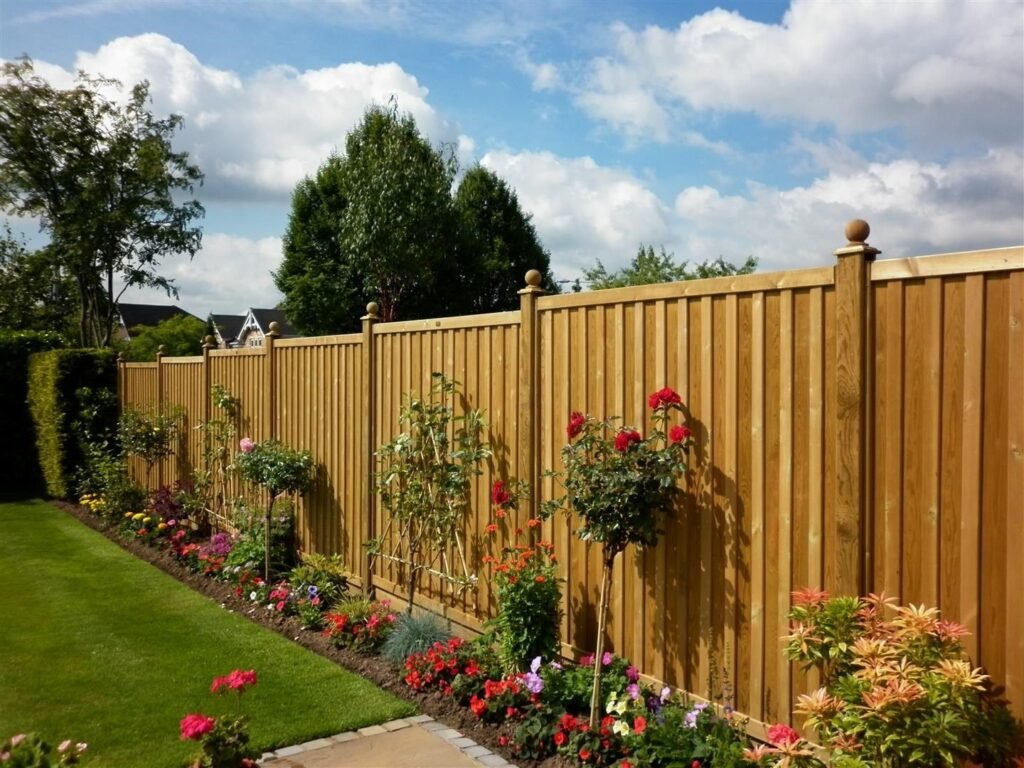
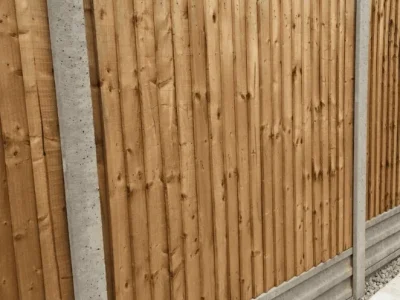
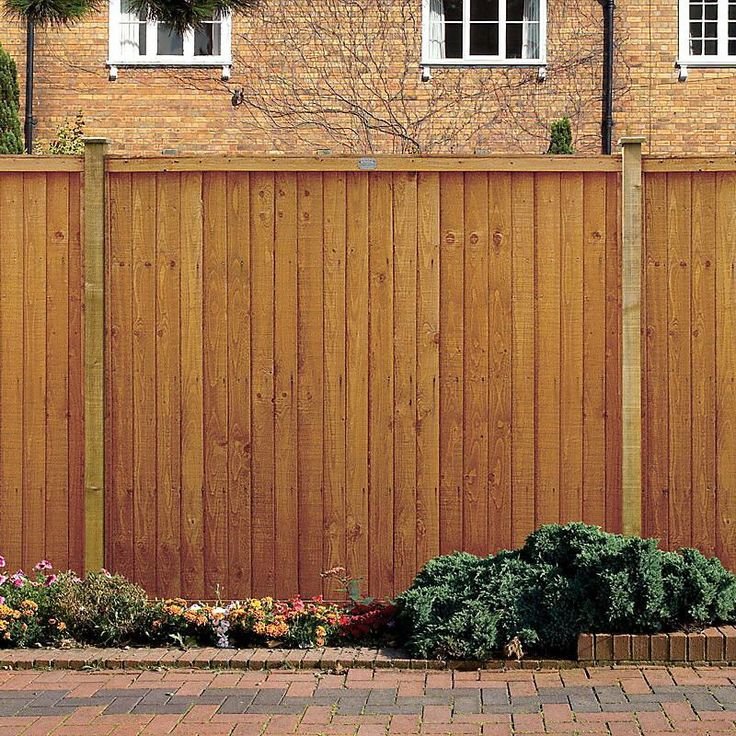
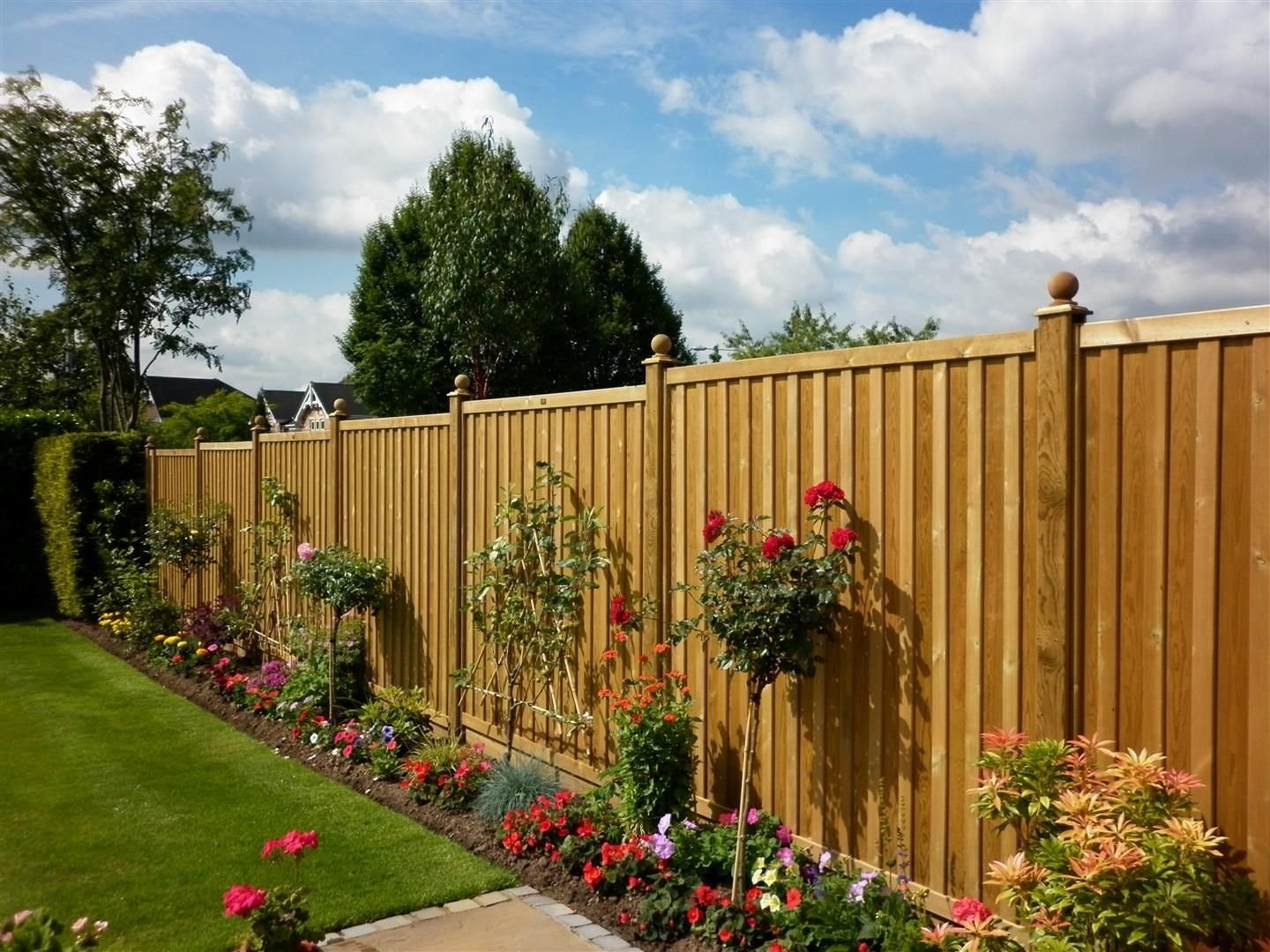
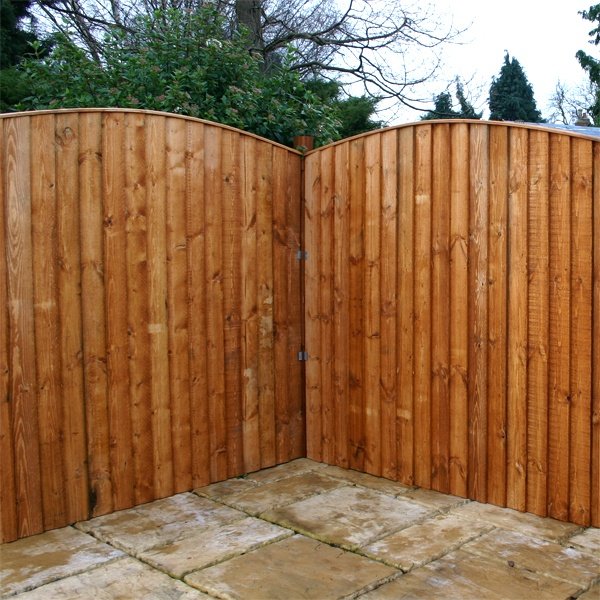
Closeboard fencing is a traditional, heavy-duty boundary solution built from individual components rather than flimsy pre-made panels. It consists of vertical feather edge boards that overlap each other and are securely nailed to horizontal arris rails. This construction method creates a solid, continuous timber wall that offers unmatched security and longevity for your property. To understand the broader context of What is Fencing and how different styles evolved, it is clear that closeboard remains the gold standard for residential strength in the United Kingdom.
Privacy is a primary concern for homeowners in Bracknell. Closeboard fencing acts as a total visual barrier because the boards overlap by roughly 25mm, leaving no gaps for prying eyes. This “Privacy Powerhouse” design is ideal for gardens overlooked by neighbours or public footpaths. It provides a sense of seclusion that allows you to enjoy your outdoor space in peace.
Storm damage is the leading cause of fence failure across Berkshire. Closeboard is an engineering solution to this problem. The heavy-duty arris rails provide a rigid frame that does not sag over time. Because the boards are installed vertically, they allow wind to dissipate more effectively than flat, solid panels. This reduces the “sail effect” and places less physical stress on the posts during high gusts. A professional closeboard fencing installation ensures the structure is anchored correctly to withstand these conditions.
Every garden is different, and many in our region feature slopes or awkward corners. Because we build closeboard fences on-site, we can adjust the height and angle of every individual board. This creates a neat, professional finish that follows the natural contours of your land, preventing large gaps at the bottom where pets might escape or weeds could creep through.
Closeboard vs. Lap Panels: The Durability Gap
The difference in quality between these two styles is significant. Lap panels are often held together by thin staples and light frames, typically lasting only five to seven years before they rot or succumb to wind damage. In contrast, a well-built closeboard fence can easily last 15 years or more with minimal maintenance. Repairing the fence is also much simpler; if a single board is damaged, you can replace that specific piece of timber. With lap panels, you usually have to replace an entire six-foot section, which is both wasteful and expensive.
Feather Edge Boards Explained
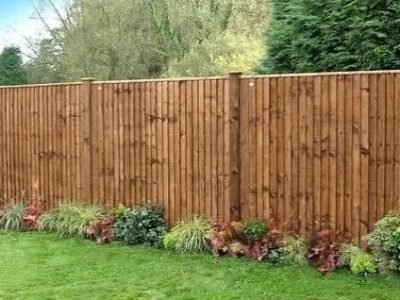
The secret to this strength lies in the feather edge boards. These have a tapered profile, meaning they are thicker on one side than the other. When overlapped, they create a thick, sturdy barrier. We only use pressure-treated timber, often referred to as Tanalised wood. This process forces preservative deep into the wood fibres to protect against rot and insect attack in the damp UK climate. If you are weighing up your options, our detailed guide on feather edge fence panels in Bracknell breaks down the costs, styles, and long-term value of each approach. We offer several standard heights for Berkshire properties:
- 3ft (0.9m): Ideal for front garden boundaries.
- 4ft (1.2m): A mid-height option for semi-privacy.
- 5ft (1.5m): Great for standard garden borders.
- 6ft (1.8m): The most popular choice for maximum privacy and security.
The Anatomy of a Professional Closeboard Installation
A high-quality closeboard fencing installation depends on the sum of its parts. Each component serves a specific structural or protective purpose. While the vertical boards provide the face of the fence, the internal skeleton determines how long the boundary will remain upright. Understanding these elements helps you make informed choices about your garden’s security.
Concrete vs. Wooden Posts: Which is Right for You?
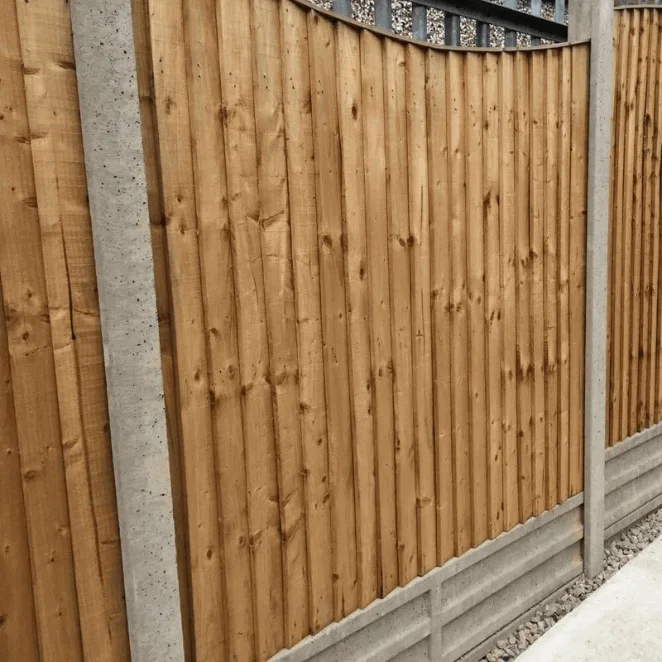
Posts are the most critical choice. Concrete posts are the “fit and forget” favourite for many Berkshire homeowners. They are immune to ground rot and provide ultimate longevity. However, some prefer the natural look of pressure-treated timber posts. Wooden posts allow for a seamless aesthetic where the entire fence is the same colour. While modern timber treatments are excellent, concrete remains the superior choice for sheer durability in damp soil. If you are planning a taller boundary, remember to check UK planning regulations regarding maximum heights for residential structures.
Horizontal strength comes from arris rails. These are triangular timber beams that span between the posts. In a professional closeboard fencing installation, these rails are often “morticed” into the posts, meaning they slot into pre-cut holes rather than being nailed to the front. This creates a rigid, non-sagging frame that can support the weight of the feather edge boards without bowing over time.
The Essential Role of Gravel Boards
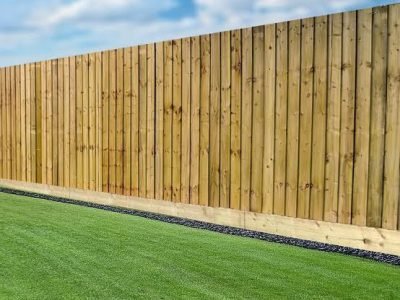
Gravel boards are often overlooked by DIYers, but they are vital for professional results. These horizontal boards sit at the very bottom of the fence. A gravel board is the primary defence against premature timber decay. By keeping the vertical feather edge boards off the damp soil, they prevent moisture from wicking up into the grain. You can choose between timber gravel boards for a uniform look or concrete versions for maximum rot resistance. If you want to ensure your boundary lasts for decades, our team at Bracknell Fencing and Gates can help you select the right materials for your specific soil type.
Finally, a capping rail is added to the top. This isn’t just a decorative finish. It protects the end grain of the vertical boards from rain. Water that sits on top of unprotected timber will eventually cause splitting and rot. The capping rail acts like a roof for your fence, shedding water away from the main structure whilst providing a neat, straight line across the top.
Our Step-by-Step Professional Fitting Process
A successful closeboard fencing installation begins long before the first nail is driven into the timber. We start with thorough site preparation. This involves clearing the existing boundary and identifying any underground services like water pipes or electrical cables. Skipping this step is a common DIY mistake that can lead to expensive repairs and safety risks. Our team uses specialised equipment to ensure the ground is safe to excavate before we begin the heavy work.
Precision Post Setting in Berkshire Clay
Bracknell and the wider Berkshire area are well known for heavy clay soil. This presents a unique challenge because clay expands when wet and shrinks during dry summers. If posts aren’t deep enough, they will quickly begin to lean as the ground shifts. We set our posts to a minimum depth of 2 feet (600mm) as a standard. This ensures the foundation sits well into the subsoil for maximum stability. We use a precise ratio of professional-grade Post-mix to create a rock-solid base that supports the fence’s weight during high winds.
Once the posts are set and perfectly aligned, we begin framing the fence. We use horizontal arris rails, which are either secured with heavy-duty galvanised brackets or slotted into traditional mortice joints. This creates the rigid skeleton required to support the weight of the feather edge boards. We then nail each individual board with a consistent 25mm overlap. This ensures total privacy even if the timber slightly contracts during a heatwave, preventing any unsightly gaps from appearing between the boards.
Handling Slopes and Uneven Ground
Very few gardens in our region are perfectly flat. We use two primary techniques to handle inclines. For significant hills, we use “Stepping”. This involves keeping the fence sections level but dropping them down in height at each post, creating a staircase effect. For gentle slopes, we prefer “Raking”. This allows the top line of the fence to follow the natural contour of the land in one smooth, continuous sweep. Both methods require skilled carpentry to ensure the gravel boards are fitted correctly so no gaps are left at the bottom.
Throughout the process, we remain mindful of the UK government planning rules for fences, which dictate height limits based on your property’s location. For instance, fences adjacent to a highway are generally restricted to 1 metre in height without specific permission. We finish every project by checking the vertical alignment of every post and ensuring the capping rail is securely fitted to shed rainwater away from the grain.

Planning Your Project: Regulations and Neighbour Etiquette
Planning a professional closeboard fencing installation involves more than just selecting high-quality timber. You must also consider the legal framework and maintain good relations with those living next door. Taking the time to understand local regulations and boundary responsibilities now prevents stressful disputes or costly modifications later. Our grounded approach ensures your project is compliant from the very start.
Do You Need Planning Permission in Bracknell?
In most residential areas across Berkshire, you won’t need planning permission for a fence that is under 2 metres in height. This is a national “permitted development” right that Bracknell Forest Council follows. However, this limit drops to just 1 metre if the fence is adjacent to a highway, which includes roads and footpaths used by vehicles. If your property is a listed building or situated within one of Bracknell’s Conservation Areas, these rights may be restricted or removed entirely. It is always sensible to check if an “Article 4 direction” applies to your specific street before work begins.
Determining who owns a specific boundary is another vital step. Homeowners often ask: which side of the fence is my responsibility uk? The most reliable way to find out is by checking your property deeds. Look for a “T” mark on the boundary line; the stem of the T points towards the owner responsible for that fence. If the deeds are unclear, the Land Registry can provide official documents to help clarify your legal position.
Communicating with Neighbours
Boundary disputes can be expensive and emotionally draining. We strongly recommend discussing your plans with your neighbours before the installation team arrives. Whilst there is no legal requirement to give the “good side” to a neighbour, traditional etiquette suggests the smooth face of the feather edge boards should face outwards. Because closeboard is a premium, site-built product, the arris rail side still looks professional and tidy, which often satisfies both parties. If the fence sits directly on a shared boundary, you might even find your neighbour is willing to share the cost of the installation, as it improves the security and value of both gardens.
Before our team arrives, please ensure the boundary is accessible. This means cutting back any heavy ivy or climbing plants and moving garden furniture or ornaments away from the work zone. If you have dogs or other pets, they must be kept safely away from the area whilst the installation is in progress. This preparation helps us maintain a steady rhythm and ensures your project is completed within the agreed timeframe. For a professional assessment of your boundary, request a fixed-price quote from our local specialists.
Why Trust Bracknell Fencing and Gates for Your Installation?
Bracknell Fencing and Gates has built a reputation as a dependable local specialist across Berkshire. We understand that your garden is a significant part of your home; it’s a place for relaxation and family time. A professional closeboard fencing installation is more than just a barrier. It’s a long-term investment in your property’s value and security. Our team brings years of experience to every project, ensuring that the structural principles we have discussed, such as deep post setting and proper board overlap, are executed with methodical precision.
We don’t cut corners on materials. Every component we use, from the arris rails to the individual feather edge boards, is premium, pressure-treated timber. This Tanalised wood is specifically designed to withstand the damp British weather and resist rot for years to come. Our craftsmanship ensures that every post is perfectly level and every board is spaced with millimetre precision. This steady approach creates a straight, sturdy line that looks as good as it performs, even in the face of heavy winter gales.
Transparency is at the heart of how we operate. We don’t use vague estimates that grow as the job progresses. Instead, we provide fixed-price quotes. What we quote is what you pay. This gives you total peace of mind and allows you to budget for your garden improvements without any unwelcome surprises or hidden costs.
The Value of a Professional Contractor
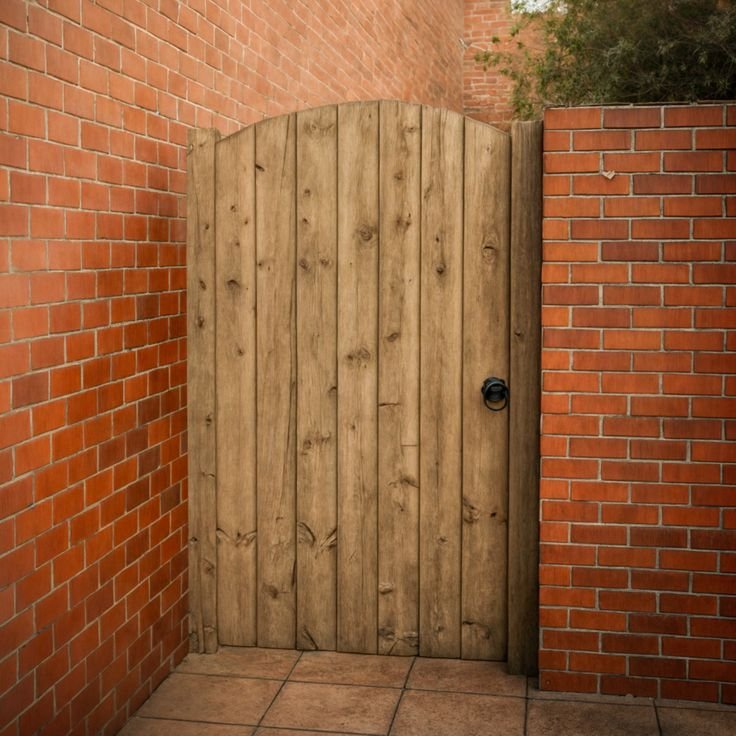
Many homeowners consider the DIY route to save on costs. However, a fencing project can quickly turn into a lost weekend of stress, heavy lifting, and frustration. We typically offer a one to two-day turnaround for most residential gardens, delivering a professional result without the physical toll on your time. Beyond full installations, we also provide expert fence repairs for smaller storm damage jobs. Our expertise extends to wider landscaping needs, including the installation of bespoke wooden side gates, driveway gates, and high-quality decking to complete your outdoor transformation. Homeowners who want to compare their options before committing can also explore our comprehensive overview of feather edge fence panels in Bracknell, which covers costs, maintenance, and the long-term benefits of professional installation.
Get Your Personalised Fencing Quote
Starting your project is a simple, low-friction process. We focus on providing durable solutions at competitive prices for all Bracknell residents. Whether you need a small repair or a complete boundary overhaul, we are here to act as a “safe pair of hands” for your project. We take pride in our workmanship and our reputation within the local community. Don’t leave your garden’s privacy and security to chance with flimsy materials or rushed work.
Request your free, no-obligation closeboard fencing quote today and discover why we are the premier choice for homeowners seeking durability and quality in Berkshire.
Secure Your Garden Boundary for the Long Term
A garden fence is a significant investment that should provide security and total privacy for years. By choosing a professional closeboard fencing installation, you avoid the recurring costs and frustration of repairing flimsy lap panels after every winter storm. You now understand how the combination of vertical feather edge boards, concrete gravel boards, and deep-set posts creates a structure capable of withstanding the heavy clay soil and high winds common across Berkshire.
Our team of local experts is committed to using only premium, pressure-treated timber for every project we undertake. We believe in complete transparency, which is why we provide a fixed-price guarantee on all our work. You won’t have to worry about hidden fees or estimates that grow halfway through the job. We manage the heavy lifting and ensure full compliance with planning rules so you can enjoy a premium finish that truly transforms your outdoor space.
Ready to upgrade your property with a fence built to last? Get a Fixed-Price Quote for Your New Closeboard Fence. We look forward to helping you build a boundary that stands firm for decades.
Frequently Asked Questions
How long does a closeboard fence installation take?
Most residential projects are completed within one to two working days. This timeframe depends on the total length of the boundary and whether we need to clear away old hedges or damaged panels first. Because we build the fence on-site rather than using pre-made sections, we work efficiently to ensure your garden is secure and tidy as quickly as possible.
Is closeboard fencing better than feather edge panels?
Site-built closeboard is significantly stronger and more versatile than pre-made feather edge panels. While panels are a convenient option, a traditional closeboard fencing installation uses heavier timber and a more rigid frame. This construction makes it easier to replace individual boards if they get damaged and provides a much longer lifespan in the damp British climate.
How deep should fence posts be dug for a 6ft fence?
We dig our post holes to a minimum depth of 2 feet (600mm) for a standard 6ft fence. This depth is essential to reach stable subsoil and ensure the structure doesn’t lean or wobble over time. In Bracknell’s clay-heavy soil, this solid foundation is vital for long-term stability and resistance against ground movement.
Do I need to treat my closeboard fence every year?
You don’t need to treat our fences annually because we use premium pressure-treated timber. The preservative is forced deep into the wood fibres to protect against rot and wood-boring insects. You can choose to apply a UV-resistant stain if you want to maintain a specific colour or prevent the wood from silvering, but it isn’t required for structural durability.
Can closeboard fencing be installed with concrete posts?
Yes, closeboard fencing is frequently installed with concrete posts and concrete gravel boards. This combination is often the favourite choice for Berkshire homeowners who want a “fit and forget” boundary. It completely eliminates the risk of ground-level rot and provides the most robust skeleton possible for your vertical feather edge boards.
What is the standard height for a residential garden fence in Bracknell?
The standard height for most rear garden boundaries is 2 metres, which is the limit for permitted development in the UK. If your fence is adjacent to a highway or a public footpath used by vehicles, the height limit is typically restricted to 1 metre. We always recommend checking with the local planning office if your property is listed or within a conservation area.
How much does professional closeboard fencing installation cost?
Professional installation costs vary depending on the length of the run, your choice of posts, and current site conditions. Industry data suggests that UK homeowners often pay between £110 and £120 per metre for a complete installation including materials and labour. We provide fixed-price quotes after a site assessment to ensure you have an accurate figure for your specific project.
Will my new fence be resistant to strong winds and storms?
A professionally installed closeboard fence is one of the most storm-proof options available for UK gardens. The vertical board orientation and overlapping design allow wind to dissipate more effectively than flat, solid panels. When combined with deep-set posts and arris rail framing, the structure is designed to remain standing even during severe Berkshire gales.